Source lightweight outdoor titanium cup for Camping Hiking Travel
Find 30 listings for the lightweight outdoor titanium cup suitable for camping, hiking, and travel. Buyers can compare specifications like capacity, weight, and customization options from verified suppliers in China.
Key considerations
Products List




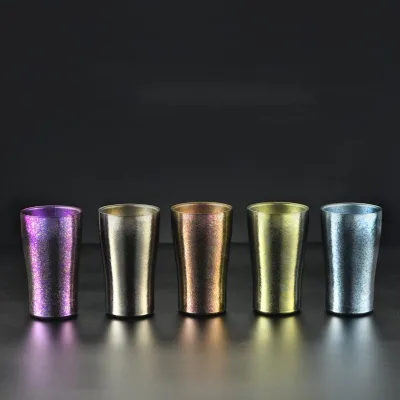


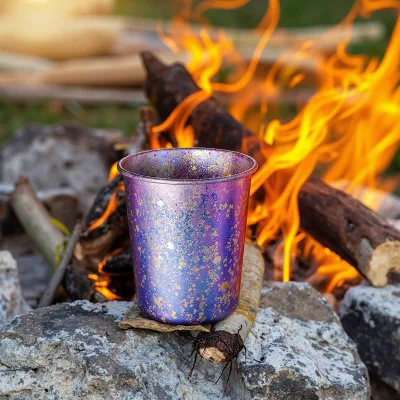
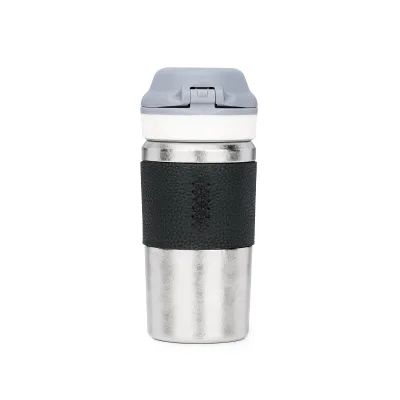
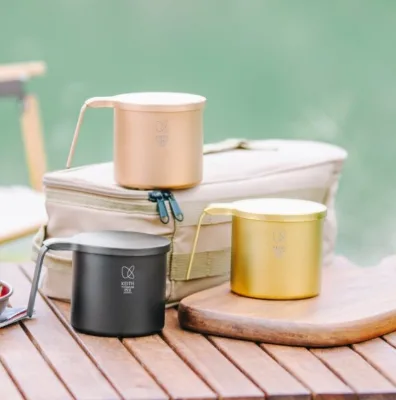
Comprehensive Sourcing Guide
Strategic Sourcing Guide for Lightweight Outdoor Titanium Cups
Understanding Material Properties and Core Specifications
The foundation of sourcing a high-performance lightweight outdoor titanium cup begins with a precise understanding of the material science involved. Titanium is selected for its exceptional strength-to-weight ratio, making it the premier choice for ultralight backpacking and expedition gear. When evaluating product listings, buyers must distinguish between the raw material grade and the final product attributes. The supplied data indicates that the material is explicitly identified as Titanium, with specific references to Grade A classification in certain contexts. This grade typically implies a high purity level suitable for food contact and structural integrity in demanding environments.
The physical specifications of these cups vary significantly based on intended use. The observed product attributes list multiple capacity options, including 200ml, 350ml, 500ml, 700ml, and 750ml. This range allows buyers to tailor inventory to specific customer segments, from single-serve espresso enthusiasts to hikers requiring larger hydration vessels. The weight of the product is a critical differentiator; observed listings show weight variations ranging from 65.5g to 132g. This variance is likely driven by the capacity of the cup and the thickness of the titanium sheet used in manufacturing. A "lightweight" designation in the market often correlates with the lower end of this weight spectrum, but buyers must verify the actual gram weight against the stated capacity to ensure the product meets their specific ultralight requirements.
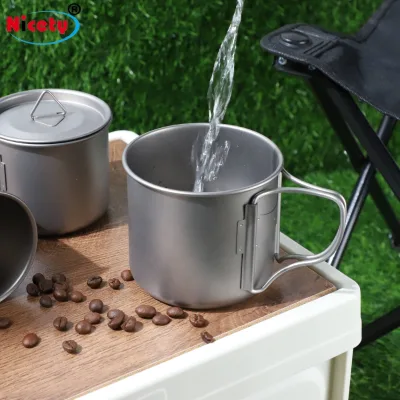
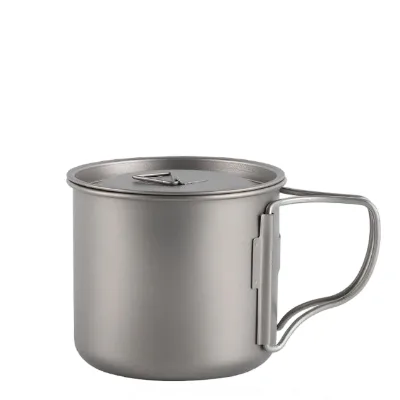
Furthermore, the structural design often includes accessories such as lids and handles. The presence of these accessories adds functionality but also impacts the total weight and packability. The product style is described as "Modern" and "Multi-Function," suggesting designs that may integrate with other cooking tools or feature foldable handles. The color is consistently observed as Silver or Titanium, which is the natural finish of the metal, though some listings mention "sliver" (likely a typo for silver) or specific finishes. Buyers should verify if the "Titanium" color refers to the natural metal or a specific coating, as this affects durability and maintenance requirements.
Compliance, Certification, and Food Safety Standards
For any drinking vessel intended for outdoor and commercial use, compliance with international food safety standards is non-negotiable. The supplied product facts explicitly mention FDA and LFGB certifications. These are two of the most rigorous standards for food contact materials in the United States and the European Union, respectively. FDA certification ensures that the titanium and any associated components (such as lids or handles) do not leach harmful substances into beverages. LFGB is the German Food, Feed and Consumer Goods Code, which is often considered stricter than FDA regarding migration limits.
When evaluating suppliers, buyers must request valid, current certificates for these standards. It is crucial to understand that certification applies to the specific product model and batch. The data indicates that certifications are available, but buyers should not assume every SKU in a supplier's catalog holds these credentials. The verification process should involve checking the certificate number against the issuing authority's database to ensure authenticity. Additionally, the "Grade A" material classification mentioned in the data supports the safety profile, as high-grade titanium is inherently non-toxic and resistant to corrosion.
Beyond material safety, the manufacturing process must adhere to environmental and labor standards, though specific data on these is not provided in the source text. Buyers should include questions regarding the supplier's adherence to ISO 9001 for quality management and ISO 14001 for environmental management in their initial inquiry. The "Eco-Friendly" feature listed in the product attributes suggests a marketing angle, but this should be substantiated by the supplier's actual manufacturing practices, such as the use of recyclable packaging or energy-efficient production methods. The packaging itself is noted as customizable, which offers an opportunity to reduce waste by using minimal, recyclable materials rather than excessive plastic or non-recyclable composites.
Cost Drivers and Pricing Dynamics
The pricing of titanium cups is influenced by a complex interplay of material costs, manufacturing complexity, and order volume. The observed price range in the market spans from $0.56 to $130 USD. This wide disparity indicates that the product category includes both simple, mass-produced items and highly specialized, hand-crafted vessels. The lower end of the price spectrum likely corresponds to thinner-gauge titanium, larger production runs, or simpler designs with fewer accessories. Conversely, the higher price points may reflect thicker walls for durability, complex multi-functional designs, or premium branding.
A primary cost driver is the Minimum Order Quantity (MOQ). The data shows an MOQ range from 2 to 3,000 pieces. Suppliers with lower MOQs, such as 2 or 100 pieces, often charge a premium per unit to cover setup costs and machine time. For buyers looking to test the market, an MOQ of 100 or 200 pieces (as seen in the data) provides a viable entry point. However, as the order volume increases, the unit cost typically decreases due to economies of scale. The "Selling Units" attribute indicates that some suppliers require orders in multiples of 100, which can impact the total cost for buyers with specific inventory needs.
Customization is another significant factor affecting cost. The data confirms that customization is available for logos, packaging, and potentially product dimensions. Custom logo printing and custom packaging add to the per-unit cost and may require a higher MOQ to be economically viable. The "Custom Packing Acceptable" and "Custom Logo" attributes suggest that buyers can brand the product, but this service comes with a price premium. Buyers should request a detailed cost breakdown that separates the base unit cost from the customization fees to accurately forecast their total landed cost. Additionally, the "Selling Units: Single item" vs. "Multiple of 100" distinction highlights that some suppliers cater to retail drop-shipping while others focus on bulk wholesale, influencing the pricing structure.
Typical Applications and Usage Scenarios
The versatility of titanium cups makes them suitable for a broad spectrum of applications, ranging from casual camping to professional expedition use. The product attributes explicitly list "Outdoor, Camping, Travel" as the primary application areas. The "Usage" field further specifies "Coffee, Tea, Beer, Water," indicating that these cups are designed for a variety of beverages, not just water. This versatility is enhanced by the "Boiling Water: Applicable" attribute, confirming that the cups can withstand high temperatures without deforming or releasing toxins.
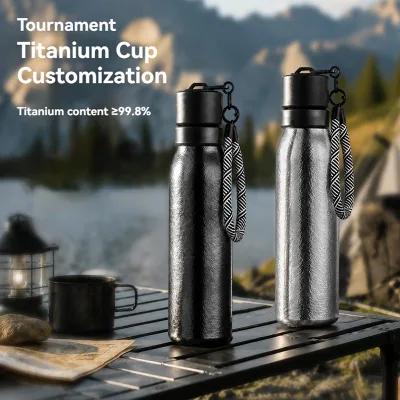
For the outdoor enthusiast, the "Portable" feature is paramount. The lightweight nature of titanium, combined with the compact packaging dimensions of 57x57x50 cm per batch, makes these cups ideal for backpackers who prioritize weight savings. The "Multi-Function Outdoor Cooking Tool" style suggests that some models may be designed to nest with other cookware or serve as part of a larger cooking system. This integration is highly valued in the ultralight community. The "Vacuum" bottle type mentioned in the data points to a specific subset of products that offer thermal insulation, with performance claims of 12-24 hours. This feature is critical for users in cold environments who need to keep beverages hot for extended periods.
The "General" applicable range suggests that these cups are also suitable for everyday use, such as office coffee breaks or travel mugs. The "Business Services" feature implies that some suppliers may offer corporate gifting options or bulk orders for events. The "Modern" style and "Silver" color make these cups aesthetically pleasing for a wide audience, bridging the gap between functional gear and lifestyle products. Buyers should consider the specific needs of their target demographic; for example, a brand targeting serious mountaineers will prioritize weight and durability, while a brand targeting casual campers may focus on design and price.
Supplier Evaluation and Origin Verification
Selecting the right supplier is critical for ensuring product quality and supply chain reliability. The data identifies two primary locations of origin: Guangdong, China, and Shandong, China. Both provinces are known for their manufacturing capabilities, but they may have different specializations. Guangdong is a major hub for electronics and consumer goods, while Shandong has a strong history in metalworking and machinery. Buyers should verify the specific factory location to understand the supplier's expertise and logistical capabilities.
When evaluating suppliers, buyers should look for those who offer OEM (Original Equipment Manufacturer) and ODM (Original Design Manufacturer) services. The "Service: Accept OEM ODM Logo Printing" attribute confirms that many suppliers are flexible in their production models. This flexibility allows buyers to create unique products that align with their brand identity. However, buyers must be cautious of suppliers who claim to offer full customization without a proven track record. Requesting samples is essential to verify the quality of the titanium, the precision of the welding (if handles are attached), and the finish of the product.
The "Brand Name" field shows variations such as "NICETY" and "ciyu," indicating that some suppliers operate their own brands while others focus on private labeling. Buyers seeking private label opportunities should ensure that the supplier is willing to remove their branding and replace it with the buyer's logo. The "Customized Logo Acceptable" and "Logo: Custom Logo" attributes support this, but the cost and lead time for logo application should be clarified. Additionally, buyers should assess the supplier's ability to handle the "Custom Packing" requirements, as packaging is a significant part of the product's presentation and protection during transit.
Quality Control and Long-Term Procurement Considerations
Maintaining consistent quality in titanium cup production requires a robust quality control (QC) framework. The "Gross weight per batch" of 60.000 kg and the "Package size per batch" of 57x57x50 cm provide baseline metrics for logistics planning. Buyers should use these figures to calculate shipping costs and warehouse space requirements. However, the actual weight of individual units varies, so buyers must establish a tolerance range for weight discrepancies during the QC process. A deviation in weight could indicate inconsistencies in the titanium sheet thickness or manufacturing errors.
Long-term procurement considerations include the durability of the product and the supplier's ability to maintain consistent quality over time. The "Grade A" material and FDA/LFGB certifications provide a strong foundation for durability, but buyers should also inquire about the supplier's testing protocols. Are there internal tests for thermal shock resistance, drop tests, or corrosion resistance? The "12-24 hours" thermal insulation performance claim for vacuum models requires rigorous testing to validate. Buyers should request test reports or third-party verification for these performance claims to ensure they match the marketing materials.
Finally, the "Customization: Available" attribute suggests that buyers may need to adjust their orders over time based on market feedback. A supplier with flexible production capabilities can accommodate changes in design, capacity, or packaging without significant delays. The "Selling Units: Multiple of 100" constraint may require buyers to plan their inventory carefully to avoid overstocking or stockouts. By establishing a long-term partnership with a supplier who understands the nuances of titanium manufacturing, buyers can ensure a steady supply of high-quality products that meet the evolving demands of the outdoor market. The combination of verified certifications, clear specifications, and flexible customization options creates a strong foundation for a successful sourcing strategy.
FAQs
What certifications do lightweight outdoor titanium cups have?
These cups hold FDA and LFGB certifications for food safety. Buyers must verify current certificates for specific models to ensure compliance with US and EU standards before placing orders.
Which capacities are available for titanium camping cups?
Available capacities include 200ml, 350ml, 500ml, 700ml, and 750ml. This range allows buyers to select vessels suitable for single servings or larger hydration needs depending on the target customer.
Can I customize the logo and packaging for these cups?
Yes, custom logo printing and custom packing are available services. Buyers should note that customization often requires a higher minimum order quantity and may incur additional per-unit costs.
What is the typical minimum order quantity for these cups?
Minimum order quantities range from 2 to 3000 pieces depending on the supplier. Some vendors require orders in multiples of 100, while others offer lower entry points for market testing.
How long does thermal insulation last for vacuum titanium cups?
Vacuum insulated models maintain thermal performance for 12 to 24 hours. This feature is critical for cold environments but applies only to specific vacuum bottle types, not standard open cups.
Where are these titanium cups manufactured?
Products originate from Guangdong and Shandong provinces in China. Buyers should verify the specific factory location to assess manufacturing expertise and logistical capabilities for their supply chain.
What materials are used to grade these titanium cups?
The cups are made from Grade A titanium, which ensures high purity and food safety. This material grade provides structural integrity and resistance to corrosion for demanding outdoor environments.